Course Information

Current Green Speed - 10,3ft (11/01/2016)

Mowing Heights -Greens (3mm), Tees and Fairways (9mm), Rough (76mm)

Monthly Rainfall - 31mm

Current Projects -Irrigation repairs, Bunker Maintenance, Turf Grass Reduction Plan - implementation , mowing and seeding of all native grass areas (to start as soon as first summer rains fall)

Important dates:

1 February - Course Closed for Tshwane Open Preperations

11 - 14 February - Tshwane Open 2016

Remember to visit our website for more information about PCC and any upcoming events at the Club.

PCC'S Instagram Pics

Monday, 11 August 2014

Identified Birds of PCC

Pretoria Country Club – Bird Watching


Our members seem to have a keen interest in the early morning activities at the Club, with some leaving the house early on a Saturday morning not with golf clubs in the trunk of their cars but rather...their binoculars!!


It started in January 2012 with a small group of 11 "Birders" and we schedule these Bird-Walks throughout the year, currently limiting the group sizes to not more that 35/40 people as they become to big to walk around and see everything as a group.

We are very lucky to always be accompanied by a friend from Bird Life Northern-Gauteng who assists us with these walks and act as the leader of our groups. They provide us amateurs with valuable information throughout the walk and are always willing to answer questions raised by our members.

Currently we do about 3 or 4 Bird-Walks every year with another Indoor Presentation scheduled for the colder winter months when most birds are away on their migratory quests. All Bird-Walks start around 6h00 and go for about 90-120 minutes and then everyone enjoy breakfast and coffee after the walk. After that we then call out the names of what we have seen during the walk and tick off and count those spotted.

Our best day so far was during the walk in February 2014 were no less than 52 of the 86 recorded species were spotted on that day...

All these walks start at Reception with a short loop on the Golf Course. Sometimes we finish at the Bowls Clubhouse but the bird life at the Dam Area just seems to be the highlight of each walk.

So far we have only had great interest by those who joined and it is always nice to see the new faces attending these walks. Some members have actually came to us and said that they have been members of this Club for more than 25 years and during these walks they have seen areas of our property that they never even knew existed!

Anybody interested to attend these Bird-Walks who are currently not on our mailing list - please reply to myself on dylan@ptacc.co.za or Carli-Jeanne at cj@ptacc.co.za with your details and we will happily inform you of our next walk...

Below find the list of Birds recorded at PCC: (in alphabetical order)

African Black Sunbird
Afrikaanse Swartsuikerbekkie

African Darter
Afrikaanse Slanghalsvoël

African Hoopoe
Hoephoep

African Palm Swift
Afrikaanse Palmwindswael

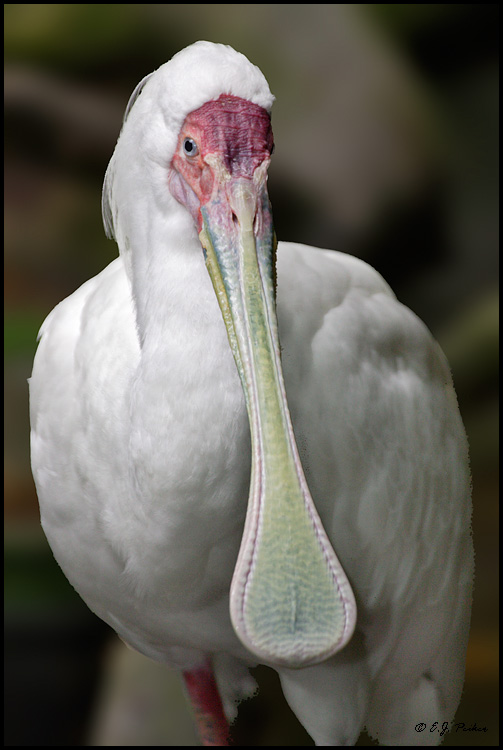
African Spoonbill
Lepelaar


Arrow-Marked Babbler
Pylvlekkatlagter

Black Collared Barbet
Rooikophoutkapper

Black Crake
Swartriethaan

Black Cuckoo
Swartkoekoek

Black-eyed Bulbul
Swartoogtiptol

Black-headed Heron
Swartkop Reier

Black-headed Oriole
Swartkopwielewaal


Black-winged Kite
Blouvalk

Black Sparrowhawk
Swart sperwer

Blacksmith Lapwing
Bontkiewiet

Bronze Mannikin
Gewone Fret

Brown Hooded Kingfisher
Bruinkopvisvanger


Burchell’s Cougal
Gewone Vleiloerie

Cattle Egret
Bosluisvoël

Cape White Eye
Kaapse Glasogie

Cape Robin
Gewone Janfrederik

Cape Sparrow
Gewone Mossie

Cape Wagtail
Gewone Kwikkie

Cardinal Woodpecker
Kardinaalspeg

Common Fiscal Shrike
Gewone Fiskaallaksman

Common Moorhen
Groot Waterhoender

Crowned Lapwing
Kroonkiewiet

Crested Barbet
Kuifkophoutkapper

Diederik Cuckoo
Diederikkie


Egyptian Geese
Egiptiese Kolgaans

Feral Pigeon
Tuinduif

Fiery-necked Nightjar
Naguil

Fiscal Flycatcher
Fiskallvlieëvanger

Fork-tailed Drongo
Mikstertbyvanger

Giant Kingfisher
Reuse Visvanger

Glossy Starling
Kleinglansspreeu

Grey Heron
Bloureier

Grey Hornbill
Grysneushoringvoël


Grey Go-away-bird
Kwêvoël

Groundscraper Trush
Gevlekte Lyster

Gymnogene
Kaalwangvalk


Hadeda Ibis
Hadeda

Hammerkop
Hamerkop

Helmeted Guinea-Fowl
Tarentaal

House-Sparrow
Huismossie

Indian Myna
Indiese Spreeu

Jacobin Cuckoo
Bontnuwejaarsvoël

Karoo Thrush
Geelbeklyster

Laughing Dove
Rooiborsduifie

Little Bittern
Woudapie / Klein Rietreier

Mallard Duck
Mallard Eend

Ovambo Sparrowhawk
Ovambosperwer

Paradise Flycatcher
Paradysvlieëvanger


Pied Crow
Witborskraai

Pied Kingfisher
Bontvisvanger

Puffback
Sneeubal

Rameron Pigeon
Geelbekbosduif

Red-Billed Woodhoopoe
Gewone Kakelaar

Red-Chested Cuckoo
Piet-my-vrou


Red Eyed Dove
Grootringduif

Red-Knobbed Coot
Bleshoender

Red Throated Wryneck
Draaihals

Reed Cormorant
Rietduiker

Red-Winged Starling
Rooivlerkspreeu

Ring-necked Dove
Gewone Tortelduif


Rose Ringed Parakeet
Ringnekpapgaai

Sacred Ibis
Skoorsteenveër

Southern Boubou
Suidelike Waterfiskaal

Southern Masked Weaver
Swartkeelgeelvink

Southern Red-Bishop
Suidelike Rooivink


Speckled Mousebird
Gevlekte Muisvoël

Speckled Pigeon
Kransduif

Spotted Eagle Owl
Gevlekte Ooruil

Spotted Flycatcher
Europese Vlieevanger

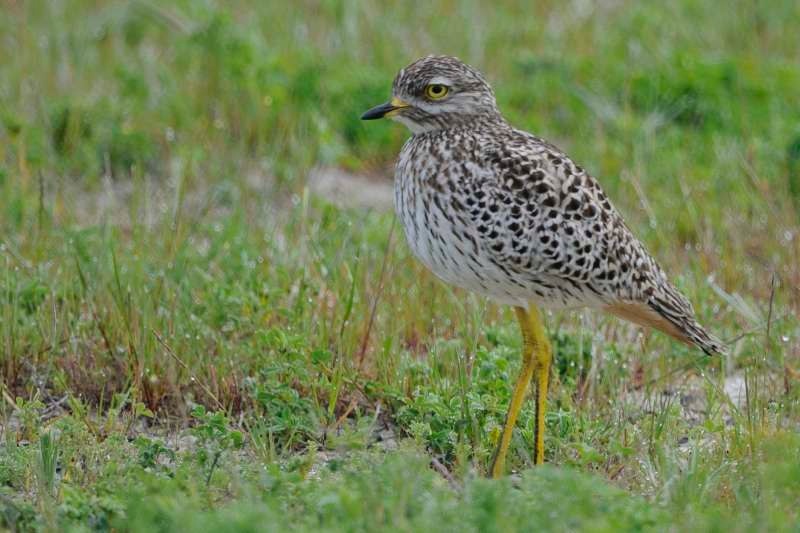
Spotted Thick-Knee
Dikkop


Tawny-flanked Prinia
Bruinsylangstertjie

Thick-billed Weaver
Dikbekbewer

White-bellied Sunbird
Witpenssuikerbekkie

White-faced Duck
Nonnetjie-eend

White-throated Swallow
Witkeelswael

Woodland Kingfisher
Bosveldvisvanger


Yellow-billed Duck
Geelbekeend

Yellowbilled Egret
Geelbekwitreier

Yellow-billed Kite
Geelbekwou

Yellowedeyed Canary
Geeloogkanarie

*Info and Images from Google, Wikipedia and Warwick Tarboton Photography.

Friday, 8 August 2014

John Collier Good Governance and Environmental Compliance Award

John Collier Report 2013


PCC's Course Management team have recently been awarded the "Best Return for 2013".
Below find the article published in a few electronic and other golf related magazines...


Extract from - Compleat Golfer South Africa - June 2014 (Monthly Golf and Industry Magazine)
On World Environment Day (WED), it was announced that Pretoria Country Club came out best in the John Collier Survey on Governance and Environmental Compliance for 2013.
“What impressed the judges most about the Pretoria Country Club’s submission,” John Collier said, “was the proactive manner in which the club has shown year-on-year improvements in areas of water, biodiversity and turf grass management in seeking governance and environmental compliance.

“From a water-management perspective, their irrigation usage monitoring, backed up by data support from their weather station and financial budgeting processes, are detailed, transparent and world class.

“As regards biodiversity programmes, their tree- and shrub-asset register matches with the best the judges have seen for some time, especially the identification of indigenous and exotics and non-indigenous trees.”

Collier described the club’s turf grass management as “holistic” and highlighted the “careful management of and transparency as to the types of pesticides and wetting agents used on the course”. He said it all adds “to the aesthetic beauty of the course”.

It was also shown that the list of birds that can be spotted on the course is growing. On one walk, a total of 52 species were spotted.

Each year, special mention is made of one other club, and this year, Ebotse Golf Club got commended.

Previous winners of the award:
2007, Benoni Country Club
2008, Randpark Golf Club
2009, Leopard Creek
2010, Kyalami Golf Club
2011, Leopard Creek
2012, Metropolitan Golf Club

PCC Tree List - 2014

PCC Tree List


A few years ago we made an effort to identify and record every specie of trees and shrubs, indigenous and exotics, currently growing on our property. 

About 80% of our trees on the course and other areas on our property have since been tagged with a green tag (indigenous) and yellow tag (exotics). This tag includes their Common names in English and Afrikaans, also the Botanical Name and National Tree Number.


Find below a list of the 105 available trees on PCC, with the exception of only 2 trees still to be identified.

           *All Exotics/Non-Indigenous trees are numbered with a "X"

Botanical Name

Common Name

Afrikaans

National Tree no.

Acacia caffra Common hook-thorn Gewone Haakdoring 162
Acacia farnesiana Needle Bush Soetwattel X492
Acacia galpinii Monkey thorn Apiesdoring 166
Acacia mearnsii Blackwattle Swartwattel X494
Acacia melanoxylon Blackwood Swarthout X495
Acacia sieberiana var. woodii Paperbark thorn Papierbasdoring 187
Acacia terminalis Peppertree wattle Peperboomwattel X500
Acacia tortilis Umbrella thorn Haak en steek 188
Acacia xanthophloea Fever tree Koorsboom 189
Acer buergerianum Chinese maple Chinese ahorn X658
Aloe barberiae Tree aloe Boomaalwyn 28
Araucaria bidwillii Bunya-bunya Boenjaboenja X19
Archontophoenix cunninghamiana King Palm Koningpalm X207
Bauhinia blakeana Fragrant orchid tree Geur orgideeboom X520
Bauhinia variegata White orchid tree Witorgideeboom X523
Bolusanthus speciosus Tree wisteria Vanwykshout 222
Brachychiton acerifolium Australian flame tree Australiese vlamboom X722
Caesalpinia ferrea Leopard tree  Luiperd Boom X547
Callistemon citrinus Lemon bottlebrush Lemoenperdestert X853
Callistemon viminalis Weeping Bottlebrush Treurperdestert X856
Calodendrum capeanse Cape chestnut Wildekastaiing 256
Carya illinoinensis Pecan tree Pekanboom X271
Casuarina equisetifolia Horsetail tree Perdestertboom X246
Cedrus deodara Deodar Deodar seder X46
Celtis africana White stinkwood Witstinkhout 39
Celtis australis Australian nettle tree Netelboom X322
Celtis sinensis Chinese Nettle tree Chinese netelboom X323
Ceratonia siliqua Carob tree Karob X524
Chorisia speciosa Silk floss tree Kapokboom X718
Cinnamomum camphora Camphor tree Kanferboom X396
Combretum erythrophyllum River bushwillow Vaderlandswilg 536
Combretum kraussii Forest bushwillow Bosvaderlandswilg 540
Combretum molle Velvet bushwillow Fluweelboswilg 537
Cotoneaster amoenus Fire mountain Pronkbessie X427
Cussonia paniculata Highveld cabbage tree Hoeveldse kiepersol 563
Cussonia spicata Common cabbage tree Gewone kiepersol 564
Dais cotinifolia Pompon tree Basboom 521
Dombeya rotundifolia Common wild pear Gewonde drolpeer 471
Dovyalis zeyheri Kei-apple Keiappel 507
Ekebergia capenis  Cape ash Essenhout 298
Eriobotrya japonica Loquat Lukwart X449
Erythrina crista-galli Cockspur coral tree Hoenderspoorkoraalboom X571
Erythrina lysistemon Common coral tree Gewone koraalboom 245
Eucalyptus globulus Blue gum Bloekom X815
Eucalyptus saligna Sydney blue gum/Saligna Gum Salignabloekom X817
Eucalyptus urnigera Urn Gum (nie beskikbaar) n/a
Euclea crispa Blue guarri Bloughwarrie 594
Faidherbia albida Ana tree Anaboom 159
Fagus sylvatica European beech Europese beukeboom X291
Faurea saligna Transvaal beech Transsvaalboekenhout 75
Ficus benjamina Weeping fig Treurvy X336
Ficus burkei Common wild fig Gewone Wilde Fy 48
Ficus hawaii Hawaiian Ficus Liana (nie beskikbaar) n/a
Fraxinus americana American Ash Amerikaanse esseboom X912
Gleditsia triacanthos Honey locust Soetpeulboom X537
Grevillea robusta Australian Silver-oak Australiese silwereik X347
Harpephyllum caffrum Wild plum Wildepruim 361
Heteropyxis natalenis Lavender tree Laventelboom 455
Hymenosporum flavum Sweet cheesewood Soetkasuur X414
Ilex aquifolium English Holly Europese Huls X650
Jacaranda mimosifolia Jacaranda Jakaranda X971
Kigelia africana Sausage tree Worsboom 678
Kiggelaria africana Wild peach tree Wildeperskeboom 494
Lagerstroemia indica Pride of India Skubliesroos X766
Laurus nobilis Greek laurel Griekse lourier X403
Ligustrum lucidum Chinese Privet Chinese liguster X925
Liquidambar styracuflua Sweet gum Amberboom X416
Magnolia campbellii Indian magnolia Indiese magnolia X377
Melia azedarach Seringa Maksering X604
Morus nigra Mulberry Moerbei X327
Mundulea sericea Cork bush Kurkbos 226
Murraya exotica Orange Jessamine  Oranje jasmyn X580
Olea europaea ssp. africana Wild olive Olienhout 617
Peltophorum africanum Weeping wattle Huilboom 215
Pinus roxburgii Chir pine Tjirden X40
Platanus x acerifolia London plane Gewone plataan X419
Platycladus orientalis Chinese arborvitae Chinese lewensboom X83
Plumeria alba  White frangipani Wit frangipani X939
Podocarpus falcatus Outiniqua yellowwood Outeniekwa geelhout 16
Podocarpus henkelii Henkel's yellowwood Henkel-se-geelhout 17
Podocarpus latifolius Real yellowwood Opregte geelhout 18
Populus nigra Lombardy poplar Italiaanse populier X253
Populus simonii Simon's Poplar Chinese Populier X254
Populus tremuloides American aspen Amerikaanse esp X255
Quercus acutissma Bristle oak Stekeleik X296
Quercus palustris Pin oak  Moeraseik X309
Quercus robur English oak Steeleik X312
Quercus suber Cork oak Kurkeik X314
Robinia pseudo-acacia Black Locust Witakasia X562
Salix babylonica Weeping willow Treurwilger X258
Schefflera actinophylla Umbrella Tree  Australiese kiepersol X743
Schinus molle Pepper Tree Peperboom X638
Schotia brachypetala Weeping boer-bean Huilboerboon 202
Sclerocarya birrea subsp. caffra Marula Maroela 360
Searsia (Rhus) lancea Karee Karee 386
Searsia (Rhus) leptodictya Mountain karee Bergkaree 387
Searsia (Rhus) pendulina White karee Witkaree 396
Stenocarpus sinuatus Firewheel tree Vuurwielboom X363
Syagrus romanzoffiana Queen Palm or Cocos Palm Kokos palm X767
Syzygium paniculatum Australian water pear Australiese waterpeer X784
Tabebuia avellanedae Pink trumpet tree Pienk trompetboom X976
Taxodium distichum Swamp cypress Moerassipres X70
Tipuana tipu Tipu tree Tipoeboom X567
Ulmus parvifolia Chinese Elm  Fynblaarolm X319
Vibernum odoratissimum Sweet snowball Soetsneeublas X999

Arbor Week 2014

Arbor Week 2014

South Africa celebrates Arbor Week from 1-7 September annually. 

The Department of Agriculture, Forestry and Fisheries (DAFF), as the custodian of forestry in South Africa is responsible for the campaign.

National Arbor Week is an opportune time to call on all South Africans to plant indigenous trees as a practical and symbolic gesture of sustainable environmental management and PCC would like to actively get all our our members from different sections, visitors, environmental enthusiasts and everyone else currently enjoying our outdoor facilities…
  • It affords the government, the private sector, non-governmental and community based organisations and the public to be involved in "greening" their communities. Planting trees and greening human settlements takes place in communities.
  • It is therefore important for the public to join hands with partners in local government and community-based organisations.
  • Greening refers to an integrated approach to the planting, care and management of all vegetation in urban and rural areas, to secure multiple benefits for communities
  • Greening in the South African context takes place in towns, townships and informal settlements specifically because in the past the latter mentioned areas were disadvantaged in terms of planning for parks as well as tree planting in streets and open spaces.


Arbor Week History

Arbor Day originated in Nebraksa in the United States of America in the 1870s. The pioneers missed the forests from their homelands and on 4 January 1872, J.Sterling Morton, a journalist, proposed a tree-planting holiday to be called "Arbor Day" at a meeting of the State Board of Agriculture. The date was set for 10 April 1872. It was estimated that more than one million trees were planted in Nebraska on the first Arbor Day.

During the 1870s, other states passed legislation to observe Arbor Day.
Arbor Day has now spread beyond the United States and many countries observe the day.
Historically, South Africa has not had a culture of tree planting and it was not until the 1970's that a real need to promote tree planting was recognised. The concept of a National Arbor Day ensued from 1973 Green Heritage Campaign. Following requests from various bodies, the then Department of Forestry obtained approval in 1982 to establish National Arbor Day that has been in place countrywide since 1983.

In 1996, the Minister of Water Affairs and Forestry extended Arbor Day from one day to one week.


Advantages about Arbor Week:
  • Promotes a better knowledge of trees, particularly indigenous trees
  • Stresses the necessity for everyone to plant trees and care for them
  • Highlights the vital role of trees in our lives
  • Contributes to the achievement of a green, dignified and healthy environment in all parts of South Africa.
  • Encourages bird, insect and other wildlife
Below find the list of National Trees of South Africa 2010-2015
2010
Fever tree, Koorsboom
2011
Jacket-plum, Doppruim
2012
Water berry, Waterbessie
2013
Blossom tree, Keurboom
2014
Heteropyxis natalensis
Lavender trees, Laventelbome
2015
Forest bushwilow, Bosvaderlandswilg