Course Information

Current Green Speed - 10,3ft (11/01/2016)

Mowing Heights -Greens (3mm), Tees and Fairways (9mm), Rough (76mm)

Monthly Rainfall - 31mm

Current Projects -Irrigation repairs, Bunker Maintenance, Turf Grass Reduction Plan - implementation , mowing and seeding of all native grass areas (to start as soon as first summer rains fall)

Important dates:

1 February - Course Closed for Tshwane Open Preperations

11 - 14 February - Tshwane Open 2016

Remember to visit our website for more information about PCC and any upcoming events at the Club.

PCC'S Instagram Pics

Showing posts with label Birds. Show all posts

Wednesday, 11 February 2015

A list that just keeps growing...


Our 1st Birdwatch and Ringing of 2015 was once again a huge success!!

If you consider yourself a “Birder” or just looking for an excuse to leave the house at 5h30 on a Saturday morning...this was a special one in its own way.

For those who have not been to one of these - these morning walks are limited to 40 members and guests to attend, with the booking spots filling up well before the actual outing. Everybody meets at Reception where a quick introduction and explanation of the schedule follows. We then start walking down on to the Golf Course and move through areas golfers and maintenance staff haven’t even been there on the day.

As always our 1st Birdwalk of the year is the one where we get Gerrie and his team of Ringers in to show us more what goes into ringing birds. This is a very delicate exercise as great care goes in to ensuring these birds are not hurt or stressed in any way.

Gerrie and his team entered our premises at 3am to start installing and setting-up the very fine nets they use to trap and catch the birds. These birds then get ringed with a little steel ring with its own unique number on and then the weight, wingspan and location recorded onto the SA Birdlife database. At our next ringing here at PCC or somewhere nearby, one will be trapped and the new measurements/data will help to understand the movements and growth of these species.

On this day a total of 60 birds were ringed consisting of 24 different species and during the walk we spotted 45 different species and were lucky enough to spot 2 species not yet identified on the premises before and add them to our ever-growing PCC Bird List namely:

-          African cuckoo (Cuculus gularis)
-          Half-Collared kingfisher (Alcedo semitorquata)


 Image Left - The African cuckoo occupies huge areas of sub-Saharan Africa, absent from parts of the DRC, Somalia, South Africa and Namibia. It usually occurs in open woodland and Acacia savannas, mostly eating caterpillars.
It is a brood parasite, meaning that it lays its eggs in other birds’ nests, then the host, thinking that the egg is its own incubates the egg and cares for the chick.


Image Right - It exclusively parasitizes Fork-tailed Drongos (which has been spotted several times before at PCC)
The male African Cuckoo distracts them whilst the female flies in to the nest, removes any existing eggs before laying one of its own. Soon after hatching, the chick removes any existing Drongo eggs or chicks in the nest, remaining in the nest for about 23 days before leaving.


Image Above - The Half-collared kingfisher is a species of kingfisher that feeds almost exclusively on fish and can be found near water at all times. This bird is actually classified as “vulnerable” on the National Conservation Status List. We were very lucky to have ringed one here at PCC.


We look forward to seeing you at the next Birdwalk…


References:

Biodiversity Explorer – www.biodiversityexplorer.org
Wikipedia – www.wikipedia.org

Thursday, 28 August 2014

A different approach...NOT using a wedge!!

The role of a Greenkeeper…


Today, reducing environmental impacts should be on the agenda of all sports facilities. Indeed, all walks of business should be doing their bit for the environment and leading to a better end result, potentially making financial savings in the process. Golf clubs are no different and I use these as an example of how the operational direction of a business needs to change in today's climate.


“For many, the only green aspect of the golf course should be the greens, tees and fairways...”
Throughout the history of golf this has been the role of the "Greenkeeper". In the past, breaking down the meaning of this title was straightforward - it was the job of the Greenkeeper to keep the turf healthy and as green as possible also ensuring the best quality for play.

For a while now a Greenkeeper’s role has stretched out beyond the playing surfaces to include the maintenance and enhancement of the out of play areas. These “wild” areas have become a signature for clubs, helping them stand out from their competition by creating an attractive, natural and diverse environment within which to play golf hence the fact that we are in the middle of a busy city and just about 1km away from the busiest highway in South Africa.

The role of the Greenkeeper has therefore, changed. He or she has become a manager of considerable areas of land. Add to this the requirement to be aware of and be responsible for and dealing with environmental issues both on the course and increasingly, in and around the clubhouse.

It is certainly the case that the roles of Greenkeepers from the 90’s are much more diverse and complex than it used to be. As a result of this, Greenkeeper are no longer employed to keep the greens green but to keep the club green.


Why bother?
People's opinions and extent of knowledge on the subject of climate change will, no doubt, differ between individuals but everybody by now are aware of the basic issues - we are over harvesting, polluting and destroying habitats to a point where our lifestyle is no longer sustainable.

It is a real problem that is already beginning to affect us. 
For example, I'm sure you've all noticed the +/- 15% mark up on the cost of food over the past 3 years? This can be linked to the failure of food crops which, in turn is caused by climate change related events. The point is the problem won't go away if we pretend it doesn't exist.

Are you thinking green yet?
Becoming greener brings more than just environmental benefits. This is a key point and a key driver for change. All businesses need to commit to becoming green - golf courses included - and those that have the foresight to begin adapting their practices, even in a small way will undoubtedly reap rewards in the future.

Those that invest money in Environmental Schemes will almost certainly make their money back within a relatively short period of time and from then on will continue to accumulate savings year on year.


For many it’s difficult to be convinced that change is a good idea. Change is often deemed a scary, unnecessary process and it is for this reason that some businesses and in some cases entire industries, get left behind. Becoming greener can only be a positive change whichever way you look at it.


Our Greens Committee together with industry professionals have started our own environmental plan for our Club. We have already identified a few key subjects and areas we will be covering, E.g.  A full list of all the trees, animals, fish and birdlife (Fauna and Flora) currently living on our property, also identifying out of play areas where we’ll be able to encourage and stimulate more indigenous plant & birdlife and a better structure at our Golf Course Maintenance Workshop where international standards in Workplace Health and Safety are met?


I'm not suggesting you get straight on the phone and order a solar panel to meet your power needs at home, I'm merely suggesting that carrying out investigative work costs nothing and I’m sure you’ll be able to find initiatives that are surprisingly beneficial to your own house.


Just imagine what our Environmental Plan can do for the Club's bank balance, image, status, efficiency and of course…to the environment. 


A few interesting facts about Golf Courses:
  • A typical 18-hole golf course produces enough oxygen to support 4,000 to 7,000 people.
  • Golf courses have a cooling effect during the hot summer months. The average temperature of a golf course is normally 5 to 7 degrees cooler than a residential area and 7 to 15 degrees cooler than an urban downtown setting.
  • A golf course can be a healthy natural environment. The turf grass on golf courses serves as a filter to runoff to control flooding; out of play areas offer wildlife habitat; trees and bushes filter dust and pollen; and the green space has a cooling effect on surrounding property.
  • Most golf courses compost grass clippings and leaves, which reduces the amount of waste in landfills. Composting is a growing and recommended practice for golf course operations.
  • Golf course architects now design courses that reduce the need for pesticides, water and costly maintenance practices while preserving habitat and environmental quality.
  • Golf course managers are among the best-educated and most conscientious users of chemical management tools. Today, most superintendents have two- or four-year university degrees in agronomy, horticulture or other related fields. Many of them enter the profession because of a love of nature and the outdoors, and are strongly committed to conservation. A recent survey shows golf course managers give extremely high priority to maintenance practices that do not have a negative impact on the environment.

Ecological benefits of golf courses

In addition to turf-related benefits, courses provide other important ecological and community assets. Golf courses are:
  • Key sanctuaries for birds and other wildlife
  • Disposal and treatment sites for (effluent) wastewater
  • Attractive and environmentally sound “covers” for closed landfills and other ecologically damaged sites
  • Recreational places for non-golf activities, such as jogging, walking and bird-watching
  • Wetlands preservation areas


References: 
Google
Wikipedia
Pitchcare Magazine (Australia) - Economy vs Environment
www.teetimes.info - Quick facts about Golf and the Environment

Thursday, 14 August 2014

Bird Hide Project


Wings in the city – Pretoria Country Club Bird Hide


As architects, landscape architects and urban designers, a project that combines the three disciplines was sought. The bird hide is an architectural structure that needs to become part of its surrounding landscape, a refuge within a refuge. The landscape forms the habitat for the birds, and is enhanced by specific planting and landscape design that sets the scene for observation. 


Furthermore the project is about connecting people with urban green space, conservation and creating habitats within the city for all its inhabitants, weaving layers of nature and man-made environments together into a more sustainable, symbiotic whole. Suburban Pretoria is teeming with wildlife, we truly have nature on our doorstep. All we need is the facilities to access it.

The Pretoria Country Club is one of the oldest recreation areas in the city of Pretoria and was established on the hunting farm of Carl Jeppe in 1910. It has always been an urban refuge for fauna, offering a variety of habitats in and around the golf course and other sports fields. The grounds boast a large dam in the Waterkloof Spruit together with wetlands, grasslands and many groves of trees. Recent sightings on the grounds include the endangered Peregrine Falcon, Long crested eagle, bee-eaters, 3 types of kingfisher and nesting sites of thick billed weavers to name but a few.
This hide is a pilot project informed by specialists from BirdLife SA, designed to accommodate wheelchair users. It is a prototype with the further potential to be replicated in many places throughout our city in botanical gardens and parks, housing estates, conservation areas, university grounds and other sports clubs.
As a shelter the hide does not need to be 100% weather tight, affording us some design freedom. It is made up of a rigid steel frame, pre-manufactured and assembled on site with timber cladding and planted poles, gabions using local stone and mulch pathways provided by the golf course. The surrounding site is to be planted with berry-bearing shrubs and trees, seed bearing grasses that also provide building material for bird nests, a variety of flowers for nectar feeders, trees, stumps and other props to provide nesting sites, perches and an insect factory.
The roof consists of timber planks placed on their sides and nailed together, each rotating slightly to form a winged shape that is orientated so as to allow light in from the south while providing shade to the north and west accentuating the entrance.
A conservative building estimate with a construction time of two weeks and a basic schedule of quantities have been done and came to a total of R100 000,00. We hope to raise enough funds to start construction in July and we are in the process of talking to possible suppliers for preferential or discounted rates. All contributions and sponsorships are welcome and deposits can be made at the reception counter at PCC with specific reference to the BIRD HIDE.
If anyone is looking to sponsor a specific item, or there is a business that might be interested to make a corporate sponsorship as a marketing effort, please contact Almer du Pisanie of kwpCREATE at 012 343 9141 or 082 705 7512 or via e-mail almer@kwpcreate.com.
As part of the COOL CAPITAL design biennale (http://www.coolcapital.co.za/) held in Pretoria during the month of August the bird hide will form part of the itinerary in the Architectural Pavilions + Installations category. It will also form part of various exhibitions and publications.


Monday, 11 August 2014

Identified Birds of PCC

Pretoria Country Club – Bird Watching


Our members seem to have a keen interest in the early morning activities at the Club, with some leaving the house early on a Saturday morning not with golf clubs in the trunk of their cars but rather...their binoculars!!


It started in January 2012 with a small group of 11 "Birders" and we schedule these Bird-Walks throughout the year, currently limiting the group sizes to not more that 35/40 people as they become to big to walk around and see everything as a group.

We are very lucky to always be accompanied by a friend from Bird Life Northern-Gauteng who assists us with these walks and act as the leader of our groups. They provide us amateurs with valuable information throughout the walk and are always willing to answer questions raised by our members.

Currently we do about 3 or 4 Bird-Walks every year with another Indoor Presentation scheduled for the colder winter months when most birds are away on their migratory quests. All Bird-Walks start around 6h00 and go for about 90-120 minutes and then everyone enjoy breakfast and coffee after the walk. After that we then call out the names of what we have seen during the walk and tick off and count those spotted.

Our best day so far was during the walk in February 2014 were no less than 52 of the 86 recorded species were spotted on that day...

All these walks start at Reception with a short loop on the Golf Course. Sometimes we finish at the Bowls Clubhouse but the bird life at the Dam Area just seems to be the highlight of each walk.

So far we have only had great interest by those who joined and it is always nice to see the new faces attending these walks. Some members have actually came to us and said that they have been members of this Club for more than 25 years and during these walks they have seen areas of our property that they never even knew existed!

Anybody interested to attend these Bird-Walks who are currently not on our mailing list - please reply to myself on dylan@ptacc.co.za or Carli-Jeanne at cj@ptacc.co.za with your details and we will happily inform you of our next walk...

Below find the list of Birds recorded at PCC: (in alphabetical order)

African Black Sunbird
Afrikaanse Swartsuikerbekkie

African Darter
Afrikaanse Slanghalsvoël

African Hoopoe
Hoephoep

African Palm Swift
Afrikaanse Palmwindswael

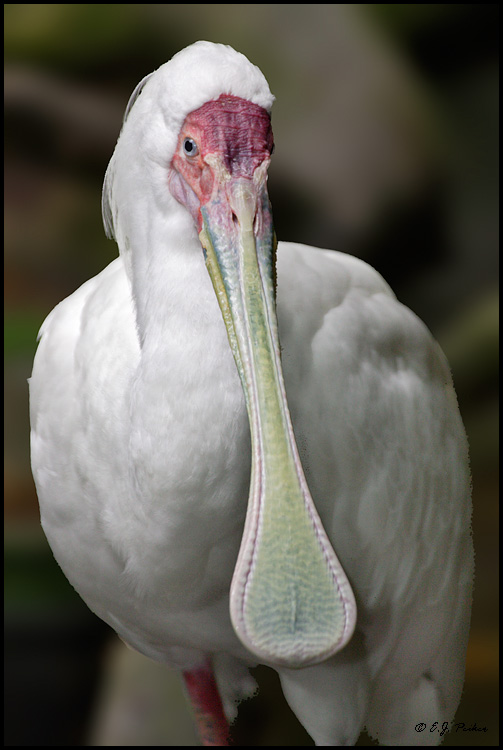
African Spoonbill
Lepelaar


Arrow-Marked Babbler
Pylvlekkatlagter

Black Collared Barbet
Rooikophoutkapper

Black Crake
Swartriethaan

Black Cuckoo
Swartkoekoek

Black-eyed Bulbul
Swartoogtiptol

Black-headed Heron
Swartkop Reier

Black-headed Oriole
Swartkopwielewaal


Black-winged Kite
Blouvalk

Black Sparrowhawk
Swart sperwer

Blacksmith Lapwing
Bontkiewiet

Bronze Mannikin
Gewone Fret

Brown Hooded Kingfisher
Bruinkopvisvanger


Burchell’s Cougal
Gewone Vleiloerie

Cattle Egret
Bosluisvoël

Cape White Eye
Kaapse Glasogie

Cape Robin
Gewone Janfrederik

Cape Sparrow
Gewone Mossie

Cape Wagtail
Gewone Kwikkie

Cardinal Woodpecker
Kardinaalspeg

Common Fiscal Shrike
Gewone Fiskaallaksman

Common Moorhen
Groot Waterhoender

Crowned Lapwing
Kroonkiewiet

Crested Barbet
Kuifkophoutkapper

Diederik Cuckoo
Diederikkie


Egyptian Geese
Egiptiese Kolgaans

Feral Pigeon
Tuinduif

Fiery-necked Nightjar
Naguil

Fiscal Flycatcher
Fiskallvlieëvanger

Fork-tailed Drongo
Mikstertbyvanger

Giant Kingfisher
Reuse Visvanger

Glossy Starling
Kleinglansspreeu

Grey Heron
Bloureier

Grey Hornbill
Grysneushoringvoël


Grey Go-away-bird
Kwêvoël

Groundscraper Trush
Gevlekte Lyster

Gymnogene
Kaalwangvalk


Hadeda Ibis
Hadeda

Hammerkop
Hamerkop

Helmeted Guinea-Fowl
Tarentaal

House-Sparrow
Huismossie

Indian Myna
Indiese Spreeu

Jacobin Cuckoo
Bontnuwejaarsvoël

Karoo Thrush
Geelbeklyster

Laughing Dove
Rooiborsduifie

Little Bittern
Woudapie / Klein Rietreier

Mallard Duck
Mallard Eend

Ovambo Sparrowhawk
Ovambosperwer

Paradise Flycatcher
Paradysvlieëvanger


Pied Crow
Witborskraai

Pied Kingfisher
Bontvisvanger

Puffback
Sneeubal

Rameron Pigeon
Geelbekbosduif

Red-Billed Woodhoopoe
Gewone Kakelaar

Red-Chested Cuckoo
Piet-my-vrou


Red Eyed Dove
Grootringduif

Red-Knobbed Coot
Bleshoender

Red Throated Wryneck
Draaihals

Reed Cormorant
Rietduiker

Red-Winged Starling
Rooivlerkspreeu

Ring-necked Dove
Gewone Tortelduif


Rose Ringed Parakeet
Ringnekpapgaai

Sacred Ibis
Skoorsteenveër

Southern Boubou
Suidelike Waterfiskaal

Southern Masked Weaver
Swartkeelgeelvink

Southern Red-Bishop
Suidelike Rooivink


Speckled Mousebird
Gevlekte Muisvoël

Speckled Pigeon
Kransduif

Spotted Eagle Owl
Gevlekte Ooruil

Spotted Flycatcher
Europese Vlieevanger

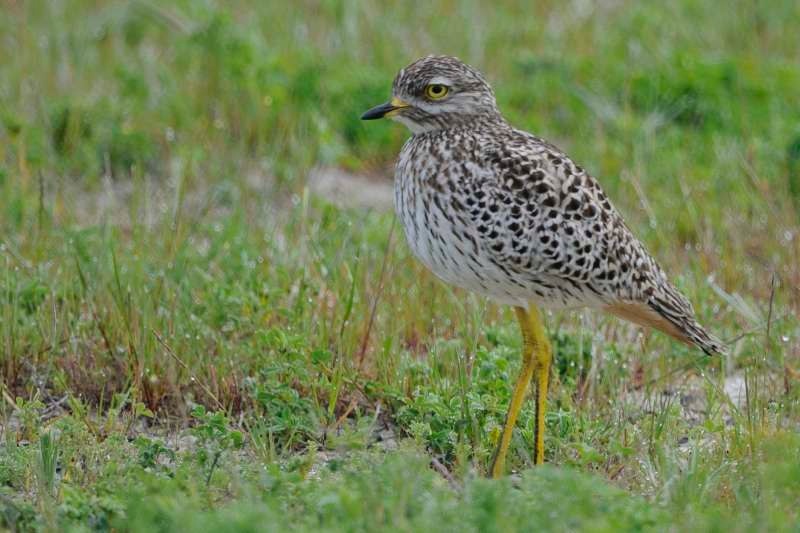
Spotted Thick-Knee
Dikkop


Tawny-flanked Prinia
Bruinsylangstertjie

Thick-billed Weaver
Dikbekbewer

White-bellied Sunbird
Witpenssuikerbekkie

White-faced Duck
Nonnetjie-eend

White-throated Swallow
Witkeelswael

Woodland Kingfisher
Bosveldvisvanger


Yellow-billed Duck
Geelbekeend

Yellowbilled Egret
Geelbekwitreier

Yellow-billed Kite
Geelbekwou

Yellowedeyed Canary
Geeloogkanarie

*Info and Images from Google, Wikipedia and Warwick Tarboton Photography.